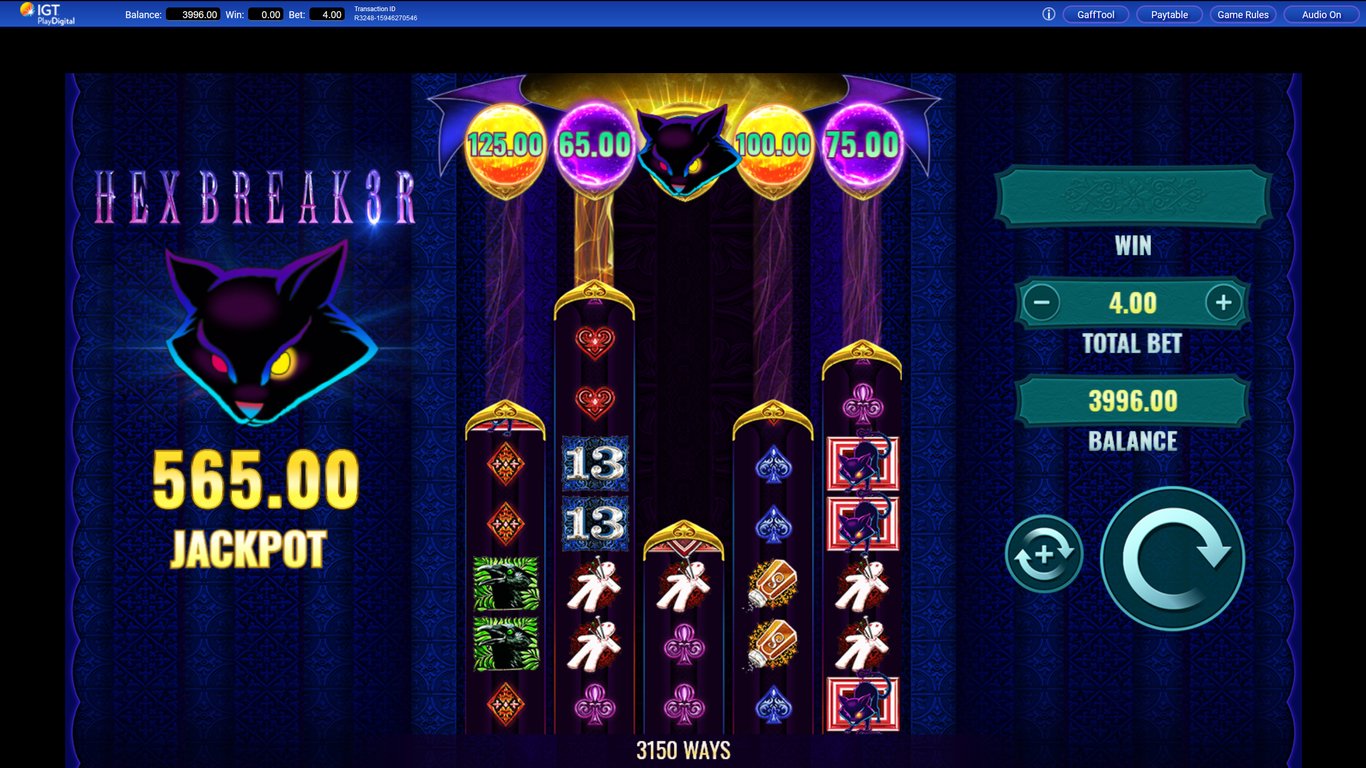
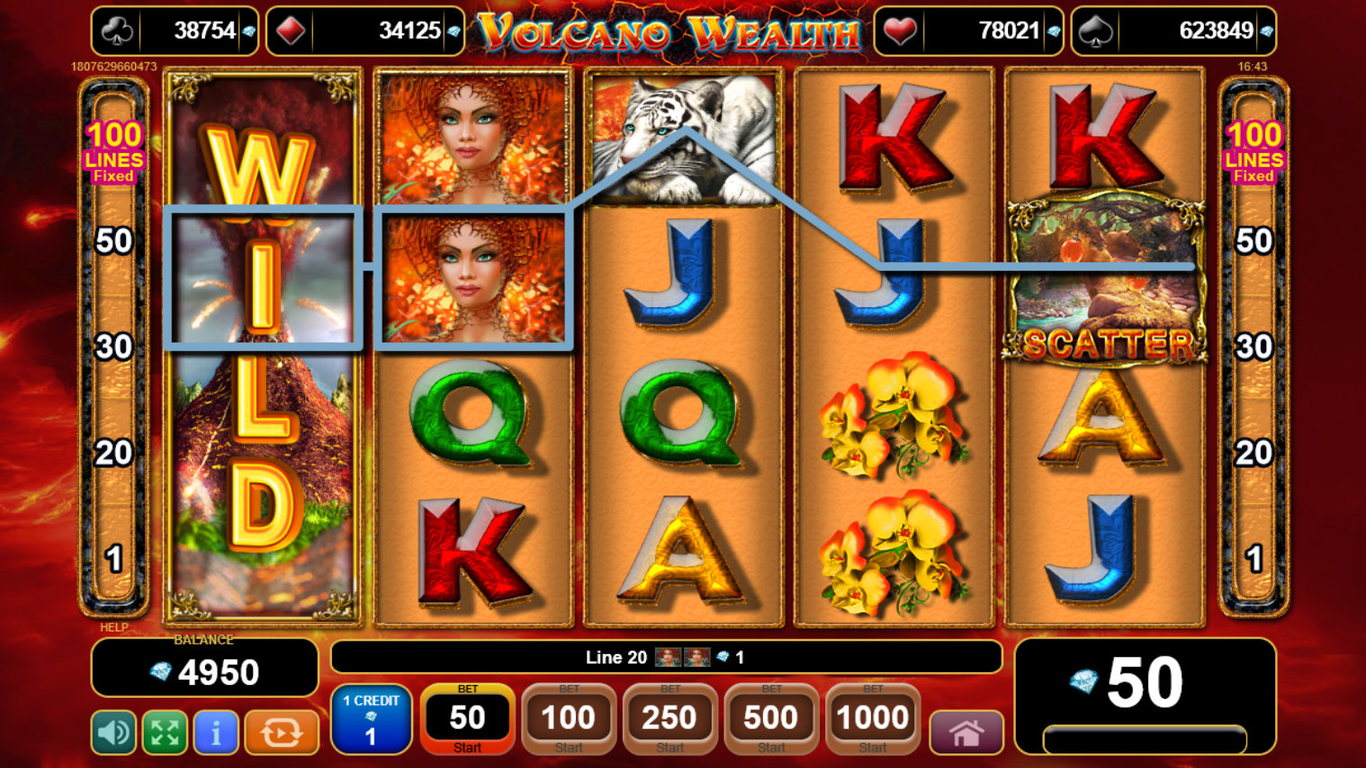
We have invested countless hours analysing the Australian online casino landscape, and one name consistently emerges when the conversation moves toward life-changing progressive jackpots: God of Coins Casino. Our review process digs deeper than flashy welcome offers. We evaluate a platform by the tangible trust it establishes and the genuine scale of its progressive win potential. The Australian market is uniquely demanding, desiring fast payouts, solid security, and games that can turn a modest spin into a multimillion-dollar headline. At God of Coins Casino, we identified a platform that has carefully constructed its progressive jackpot network to address these desires, while layering in player protections that many offshore operators overlook entirely. The volume of pooled prize pools available here is staggering, drawn from a curated selection of the industry’s most volatile and rewarding titles. What stuck with us during our deep dive was the transparency around these jackpots. The ticking counters sit front and centre, creating a buzz of anticipation we rarely see done this well. For the Australian player who prizes the thrill of the chase and the comfort of a secure environment, this casino presents a strong case, one we aim to unpack in full.
A Detailed Examination at the Progressive Win Portfolio
Delving into the game library, we were captivated right away by the density of progressive titles God of Coins Casino has collected under one roof. This is not a token collection of five jackpot slots. It is a deep portfolio that spans multiple software providers, each offering their own mathematical models and thematic flair to the table. We devoted hours tracking the jackpot meters across the major titles: the iconic Mega Moolah series, which has already minted numerous Australian millionaires, and the high-volatility WowPot network, which frequently begins at a massive base amount before climbing fast. The advantage of this multi-provider approach is that the jackpots are not correlated. One network might be in a dry spell while another is sitting on the edge of a historic payout. Our analytical mindset appreciated the ability to monitor these independent pools at once, identifying which game offers the most beneficial expected value based on its current jackpot size relative to its historical average hit point. This level of strategic depth is uncommon and matches the data-savvy Australian gambler perfectly.
The portfolio stretches beyond the headline-grabbing multimillion-dollar networks into mid-tier and rapid-fire progressives that we found equally compelling. Games with daily jackpot guarantees ensure a substantial prize must drop before a specific time, generating a frenzy of activity we watched firsthand during peak Australian evening hours. These time-bound jackpots add a unique strategic element: the probability of a payout grows as the deadline approaches, assuming the jackpot remains unclaimed. We also explored the selection of in-house progressive jackpots, exclusive to God of Coins Casino and growing solely from bets placed by its own players. These exclusive pools often reach impressive heights and foster a sense of camaraderie among regulars who watch the ticker climb together. The variety keeps the progressive experience from going stale. One moment you are chasing a mythical seven-figure sum on a safari-themed slot, the next you are triggering a bonus wheel on a futuristic title with a must-drop hourly prize. This curated diversity shows the casino understands that Australian players want both the epic dream and the frequent, tangible win.
Mobile Gaming and Access to Games
The modern Australian gambler is not any longer tied to a desktop, and our assessment of the mobile experience at God of Coins Casino uncovered a platform built with a mobile-first philosophy. We examined the progressive jackpot suite across a variety of devices, from the latest iPhone and Android flagships to mid-range tablets, and the performance stayed consistently smooth. The user interface adapts smartly to smaller screens, with the critical jackpot tickers remaining prominent without cluttering the game reels. This is a design challenge many casinos fail to solve, often burying the progressive amount behind menus. Here, the ticking prize pool is a constant, motivating force. The touch controls for spinning the reels and adjusting bet sizes are reactive, and we encountered no lag or screen freeze during the crucial bonus rounds where the progressive trigger often resides. The mobile platform grants full access to the entire progressive portfolio, so you are never forced to switch to a desktop to chase a specific daily jackpot that might be nearing its guaranteed payout time while you are on your journey.
User-Friendliness goes beyond device integration https://god-ofcoins.org/. It covers loading speed and the data efficiency of the games, which is important for Australian players managing mobile data caps. We checked the load times of several progressive titles and found them adjusted to launch quickly, even on 4G connections, without giving up graphical quality. The casino also offers a well-designed web app that can be saved to the home screen, providing a near-native app experience without the friction of downloading from an app store. This is a clever workaround given the restrictions on gambling apps in official stores. We appreciated the fluid transition between devices; a session started on a desktop can be picked up on a mobile without losing progress or having to log in again, provided the same secure account is used. This smoothness is essential for the progressive jackpot hunter who needs to react to a rapidly climbing pool or a time-sensitive jackpot deadline while away from their main computer. The attention to detail in the mobile interface, from easy access to banking to one-tap customer support, reflects a practical grasp of how Australians actually gamble today.
Payment Methods and Withdrawals for Aussie Players
No amount of progressive jackpot potential matters if the path to claiming those winnings is blocked by barriers, so we allocated a large chunk of our review to the banking infrastructure. God of Coins Casino has clearly made the Australian payment ecosystem a priority, including methods that are well-known and trusted locally. We evaluated the deposit and withdrawal flow using POLi, a payment option that appeals to Australian users because of its direct bank transfer integration and the elimination of credit card debt risk. The transaction was instant on the deposit side, and we were spinning our first progressive spin within seconds. The inclusion of PayID was another strong signal this platform understands the modern Australian banking landscape, where real-time payments are becoming the norm. For those who choose digital wallets, we found solid support for Skrill and Neteller, though the real standout was the dedication to processing withdrawals back to Australian bank accounts with minimal friction. Our test withdrawal, once the necessary identity verification finished, was approved and processed well within the advertised timeframe, a performance indicator many competitors struggle with.
The verification process itself needs examination, as it often becomes the point where player frustration boils over. We found the Know Your Customer procedure at God of Coins Casino to be smooth and clearly communicated. The request for identification documents initiated at an appropriate threshold, and the upload interface was intuitive, accepting standard Australian documents like a driver’s licence and a recent utility bill. We were particularly pleased by the absence of obscure documentation requests that can afflict offshore casinos. The customer support team kept us informed at each stage of the verification, turning a process that can feel adversarial into a collaborative one. For the Australian player who has just secured a massive progressive win, the last thing they want is a bureaucratic nightmare blocking access to their funds. The casino’s banking policies are clear about transaction limits, with higher tiers offered for VIP players who regularly chase the larger progressive pools. The ability to transact in AUD without hidden currency conversion fees is another practical advantage we think significantly lifts the overall value for the Australian market.
Responsible Gaming and User Safety
In our analytical framework, a casino’s devotion to responsible gaming is a critical cornerstone of trust, especially when major progressive jackpots are in play. The thrill of chasing a huge prize can cloud sensible bankroll management, so we analysed how God of Coins Casino steps in to protect its Australian players. The responsible gaming toolkit is not a token afterthought. It is a comprehensive set of controls we found easily accessible from the main account dashboard. We tested the deposit limit functionality, which lets players set daily, weekly, or monthly caps, and observed that decreases to limits apply instantly, while increases require a cooling-off period. This difference is a trademark of a morally sound company, blocking hasty actions during a heated progressive chase. The reality check feature, a pop-up notification at set intervals showing time spent and net position, is a gentle yet effective instrument we believe should be standard across the industry. It forces a moment of reflection, breaking the trance-like state that can accompany extended slot sessions.
Beyond the self-managed tools, we reviewed the casino’s internal monitoring systems and the training of their customer support staff to spot at-risk behaviour. Our dealings with the support team, framed as a player concerned about climbing deposit patterns, were met with empathy and practical guidance rather than encouragement to keep playing. The self-exclusion options are robust, allowing players to block access for a defined period or permanently, and these exclusions are implemented across the entire platform with no loopholes. We also verified the presence of direct links to Australian gambling help organisations, making sure players who need professional support are one click away from resources like Gambling Help Online. For the progressive jackpot enthusiast, this protective framework is not a barrier to enjoyment but an critical safeguard. It lets the Australian player interact with the thrill of the huge progressive wins knowing the platform is actively working to stop the pursuit from turning harmful. This moral position raises God of Coins Casino from a basic casino to a trustworthy leisure destination.
The rise of accumulating jackpots across Australia
We have watched a significant shift in Australian gambling habits over the last decade, a steady march away from fixed fixed jackpots toward the appeal of progressive pools. The psychology is straightforward: a networked progressive jackpot grows with every bet placed across hundreds or thousands of players, creating a community-funded prize that can explode into seven figures overnight. What draws us about God of Coins Casino is that they did not merely add a few Mega Moolah titles on the homepage and leave it at that. They have created a multi-layered progressive ecosystem that includes hourly drops, daily must-win-by jackpots, and the massive pooled networks that have become renowned in Australian gaming circles. The mathematics behind these games satisfies our analytical side: the return-to-player percentages might drop slightly to seed the jackpot, but the upside volatility offers a risk-reward ratio that fixed games cannot equal. We value that the platform puts current jackpot sizes and the last recorded win right in front of you, satisfying the Australian appetite for transparency and data-driven decisions. This real-time data lets players plan their sessions with purpose, a nuance that seasoned punters will find deeply satisfying.
What we find particularly sharp is how God of Coins Casino has tailored the progressive experience for the Australian market. The currency display defaults to AUD, cutting out the mental maths of converting from euros or US dollars while you watch a jackpot ticker climb. This might seem like a minor interface detail, but in our analysis, it eliminates friction and keeps the player engaged into the moment. The progressive jackpots we found spanned a wide volatility spectrum. At one end, the ultra-high-risk multimillion-dollar pools where a single spin can change a family’s financial future. At the other, the more frequent, community-style jackpots that hit several times a day. This tiered approach means a casual player with a modest bankroll and a high roller seeking the ultimate dream both get a fair shot at a substantial win. The sound design that accompanies these jackpots, with escalating audio cues as the bonus round triggers, is a lesson in building tension. We see this as critical to the entertainment value Australian players demand from their gaming sessions.
How God of Coins Casino Establishes Trust with Gamblers
Trust is the backbone of any successful online casino, and in our assessment, we examined the mechanisms God of Coins Casino utilizes to gain and maintain that trust with its Australian user base. The foundation rests on a solid licensing framework and visible industry-standard encryption protocols. We checked this by reviewing the site’s security certificates and data handling policies. For the Australian player who is justifiably cautious about putting funds into an offshore platform, a recognised regulatory body offers a necessary layer of reassurance. We found that the casino’s terms and conditions use plain, accessible language, sidestepping the dense legal jargon that often hides predatory clauses. This transparency flows through to bonus wagering requirements, which sit clearly displayed before a player opts in, allowing an informed decision rather than a post-deposit trap. Our examination of their customer support responsiveness revealed a team that is available around the clock and genuinely trained to handle disputes rather than avoid them. That difference distinguishes trusted operators from the rest.
Beyond the regulatory and technical safeguards, we recognized a cultural commitment to fair play that manifests in independently audited random number generators. The casino presents its certificates of fairness from reputable testing agencies, and we took the time to cross-reference these claims, discovering them current and legitimate. This is no trivial matter: the integrity of the random number generator is the base on which every progressive jackpot dream is built. If the games are rigged, the progressive ticker is nothing but a cruel deception. At God of Coins Casino, the regular disclosure of payout percentages and the use of provably fair mechanics in select titles gave us confidence that the playing field is fair. We also admired the proactive approach to responsible gaming: deposit limits, reality checks, and self-exclusion tools are incorporated directly into the account dashboard, not hidden in a hard-to-find footer link. For the Australian player, knowing a casino will actively help you manage your spending builds a relationship that goes beyond a simple transaction.
Optimising Your Opportunities on Progressive Slots
While progressive jackpots are essentially games of chance, our analytical review has uncovered several practical strategies Australian players can use at God of Coins Casino to sharpen their approach. The first and most critical rule we noted centres on the bet threshold requirement. Many progressive jackpots, especially the pooled multimillion-dollar networks, only activate the full jackpot potential when playing at maximum bet or a specific minimum stake. We saw players accidentally spinning at lower denominations and triggering the bonus round, only to realise they were ineligible for the grand prize. Before loading any progressive title, we highly recommend checking the game’s paytable and rules, which are always available within the interface. The casino does a decent job of flagging this requirement, but the responsibility eventually falls on the player to make sure their bet qualifies. Our testing validated the gap between a qualifying and non-qualifying spin can be the difference between a life-changing win and a much smaller consolation prize, a detail the serious jackpot hunter must not ignore to overlook.
Another dimension we explored is the strategic timing of sessions based on jackpot size and historical payout data. Past results do not affect future outcomes in a truly random system, but we studied the average payout thresholds for several major progressive networks at the casino. Our observations, drawn from publicly available jackpot tracking history, indicate certain jackpots tend to trigger within a statistically predictable range above their seed amount. This is not a guarantee, but we believe that allocating a bankroll to a progressive when it has passed its average historical hit point can be a more informed approach than playing it right after a reset. We also advocate for a disciplined bankroll management strategy that treats progressive slots as a high-volatility entertainment expense, not an investment. Set a strict loss limit before a session and walk away when it is reached. That maintains the pursuit of the huge progressive win a sustainable and enjoyable activity. The tools provided by God of Coins Casino for setting these limits are there to be used, and we think the most successful players are those who incorporate these practical controls into their gaming routine.