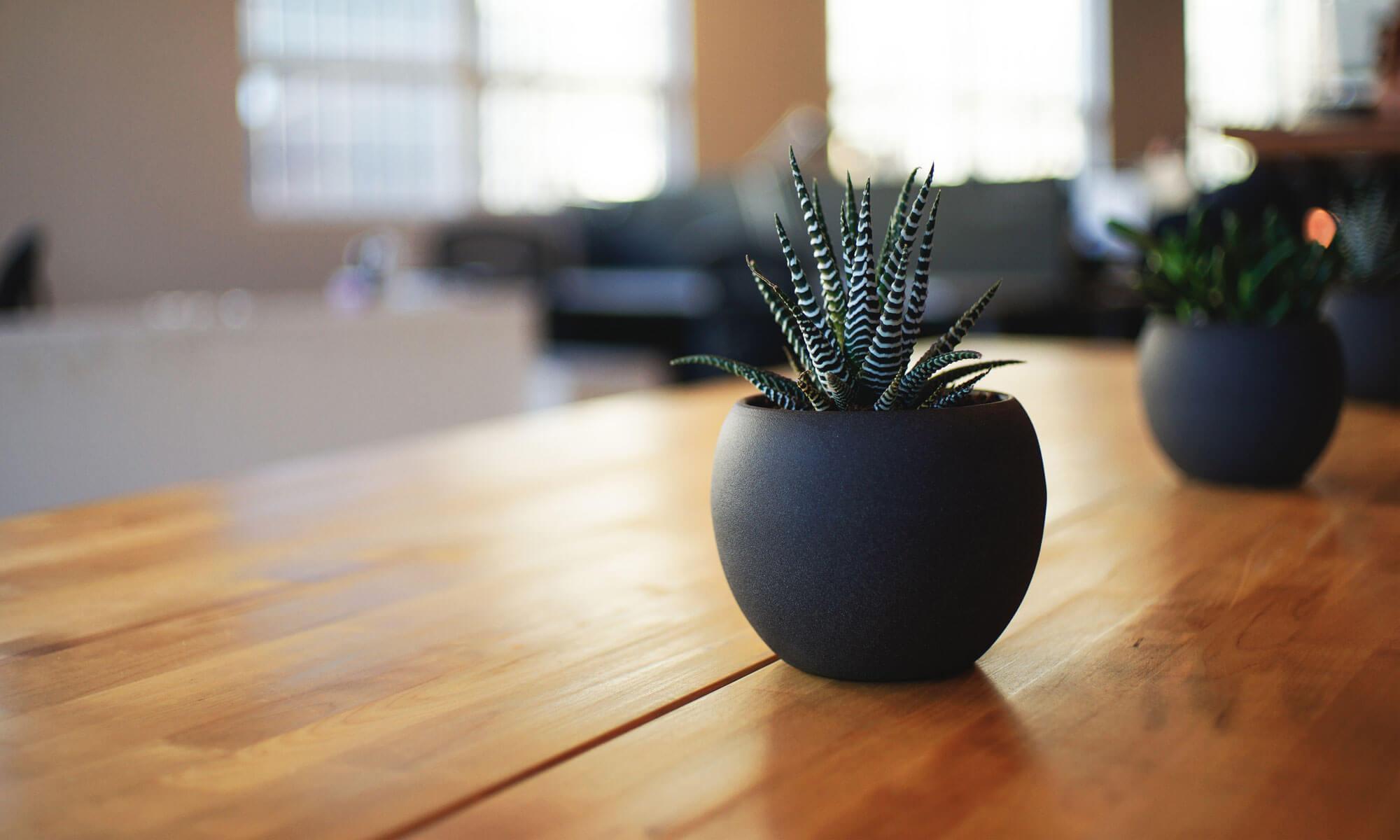
In recent years, the landscape of UK artisan pottery has experienced a renaissance driven by a renewed appreciation for craftsmanship, environmental sustainability, and innovative design. As domestic potters embrace traditional techniques with modern sensibilities, the demand for unique, eco-friendly plant containers has soared. Among these emerging ventures, Triple Hop Pots has garnered notable attention for its distinctive approach to functional art.
The Revival of British Pottery: Tradition Meets Innovation
The UK’s pottery scene has historically been rooted in regional craft traditions—from the stoneware of Stoke-on-Trent to the porcelain of Minton. Today, contemporary artisans are blending these historical influences with sustainable materials and modern aesthetics, aiming to appeal to environmentally conscious consumers.
According to the British Crafts Council’s recent report (2022), the craft sector has seen a 15% growth in studio pottery sales over the past three years, indicating a notable shift toward handmade, locally produced items. This trend underscores a broader movement within the UK’s cultural fabric, emphasizing authenticity, sustainability, and artistic expression.
The Role of Sustainable Materials in Modern Pottery
Environmental considerations are central to today’s pottery innovations. Many UK-based studios now prioritize natural, biodegradable, and locally sourced raw materials. This focus reduces carbon footprints and aligns with global efforts to promote eco-friendly manufacturing processes.
For example, clay from reclaimed deposits or recycled ceramic waste is increasingly used in production, fostering a circular economy within the craft sector. Such advancements not only reduce environmental impact but also enable artists to create highly textured, visually compelling pieces that resonate with contemporary home decor trends.
Designing for Nature: The Rise of Eco-Conscious Plant Containers
One of the most compelling intersections of tradition and sustainability in UK pottery is in the domain of plant containers. The growing urban gardening movement demands innovative, durable, and aesthetically pleasing pots that support plant health while minimizing environmental impact.
| Feature | Traditional Plant Pots | Innovative Sustainable Pots |
|---|---|---|
| Materials | Ceramic, plastic | Recycled clay, biodegradable composites |
| Design Approach | Standard shapes, mass-produced | Customised forms, artisanal craftsmanship |
| Environmental Impact | High plastic waste, energy-intensive firing | Low-energy kiln use, natural finishes |
Brands like Triple Hop Pots exemplify this movement by creating handcrafted, sustainable plant containers that are as functional as they are decorative. Their pieces often feature textured surfaces and organic forms inspired by nature, elevating everyday gardening into a form of art.
Case Study: Triple Hop Pots
“Our mission is to reconnect people with the natural world through thoughtfully crafted, eco-friendly pottery. Each piece is made with local clays and sustainable glazes, ensuring it’s both beautiful and kind to the environment,” says founder Emma Roberts.
This philosophy aligns with the rising consumer demand for transparency, sustainability, and provenance in craft products. Their approach showcases how artisanal studios can integrate ecological responsibility into their core business model while delivering premium, distinctive products.
Industry Insights and Future Outlook
Experts forecast that the UK craft pottery market will continue to grow, driven by consumer preferences for sustainable materials, authentic craftsmanship, and bespoke design. Innovative ventures like Triple Hop Pots are positioned at the forefront of this evolution, setting standards within the industry.
Moreover, collaborations between ceramic artists and urban gardeners are fostering a new typology of eco-conscious, visually striking containers—bridging functional horticulture with sustainable design principles.
Conclusion: A Harmonious Future for UK Craft and Sustainability
As the UK’s craft sector continues to innovate, the integration of sustainable materials, artistic expression, and environmental responsibility remains central. The emergence of firms like Triple Hop Pots exemplifies this synergy—transforming the way we think about pottery and plant care.
By championing both craftsmanship and ecological mindfulness, these practitioners are not only elevating their art form but also contributing meaningfully to the global sustainability agenda. For enthusiasts and collectors alike, this heralds an era of greener, more thoughtful design—where each pot tells a story of tradition, innovation, and respect for the environment.
Sources & Further Reading:
- British Crafts Council Report 2022
- Interview with Emma Roberts, Founder of Triple Hop Pots
- UK Environmental Initiatives in Arts & Craft Sector, Department for Environment, Food & Rural Affairs (2023)