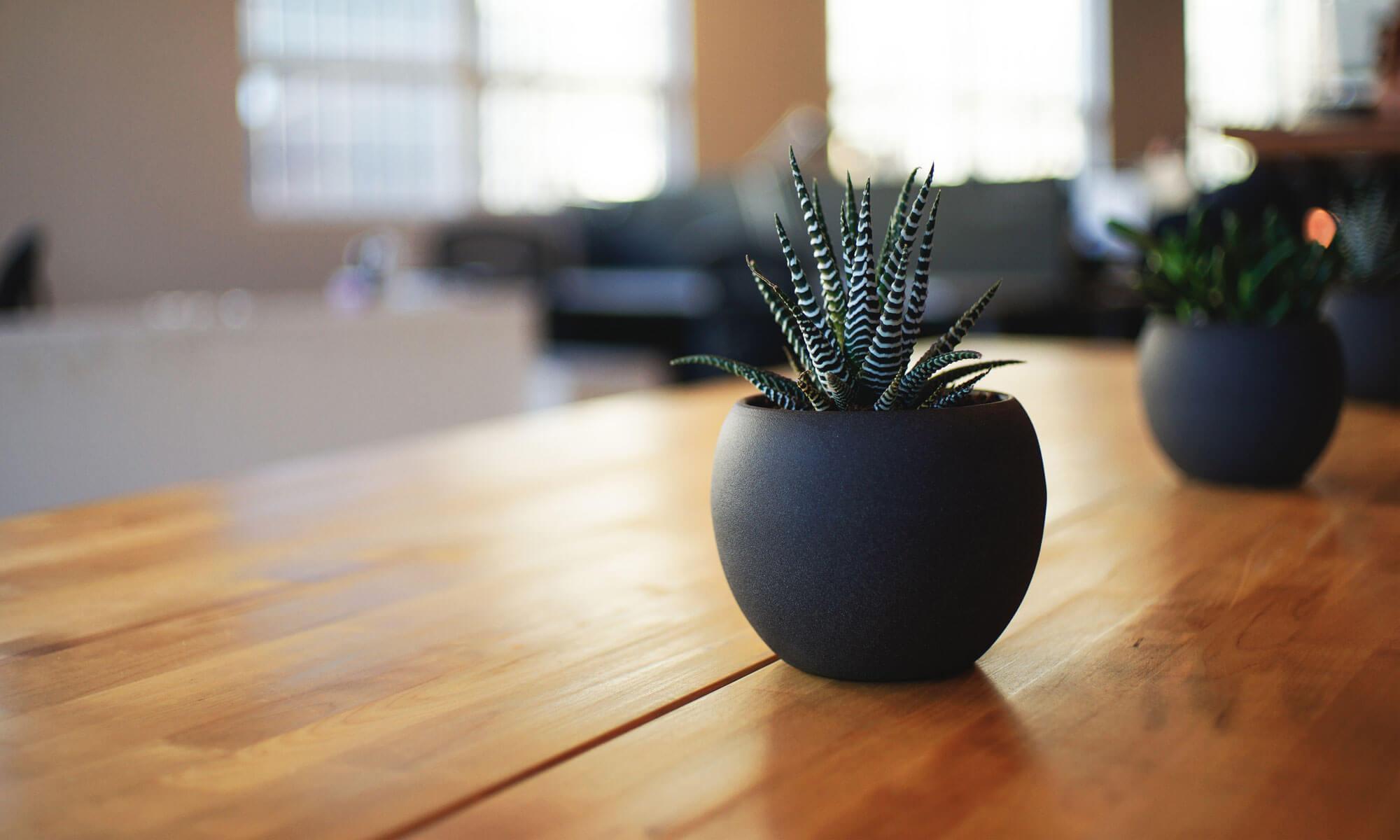
Over the past decade, urban landscapes across the globe have been undergoing a transformative shift towards sustainability and ecological integration. Among the myriad innovations, modular planting systems on rooftops — often termed as green roofing solutions — are emerging as a key element in urban environmental strategies. These systems not only enhance the aesthetic appeal but also play a critical role in environmental management, biodiversity promotion, and building efficiency.
Understanding Modular Green Roofing Systems
Traditional green roofs involved extensive groundwork and complex planting procedures, often making them cost-prohibitive and logistically challenging. Recent innovations, however, have introduced modular planting systems that significantly streamline installation and maintenance processes. These modular systems comprise prefabricated units or containers, designed to be quickly installed onto existing roofs, allowing for scalable and flexible green infrastructure deployment.
One notable example within this sphere is the Triple Hop Pots. Specialising in durable, lightweight, and innovative planters, they exemplify the kind of solutions driving the modular green roofing movement forward, especially suited to harsh urban microclimates and the diverse array of plant life necessary for vibrant ecosystems.
Advantages of Modular Planting Systems in Urban Environments
Implementing modular systems such as Triple Hop Pots provides several tangible benefits:
| Benefit | Explanation |
|---|---|
| Flexibility | Modules can be rearranged or expanded based on space, plant requirements, or aesthetic preferences, providing design versatility. |
| Ease of Installation | Prefabricated units reduce the time and labor costs associated with traditional green roof setups, enabling quicker project turnaround. |
| Maintenability | Modular systems facilitate easier access for routine inspections, watering, and repairs, crucial for long-term sustainability. |
| Weight Management | Designed with lightweight materials, these units minimize structural load pressures, making retrofits feasible on existing roofs. |
| Enhanced Biodiversity | modular planters can be tailored to support a diverse range of native plant species, encouraging urban ecological corridors. |
Case Studies and Industry Insights
In cities like London and Manchester, green roofing initiatives have integrated modular systems to maximize ecological and social value. For example, the London-based project “Sky Gardens,” utilised modular planters similar to Triple Hop Pots to create accessible urban green spaces that improve air quality and foster community engagement.
“Modular planting systems have revolutionised how developers and architects approach rooftop greening. The ability to customize and adapt these modules enhances urban resilience against climate change while delivering aesthetic and health benefits.” — Urban Ecologist, Prof. Emma Green
Industry analysts predict that modular green roofing solutions will dominate the coming decade, driven by increasing regulatory incentives and rising awareness of climate mitigation strategies. As per recent data, cities adopting extensive roof greening can see up to a 25% reduction in overall energy costs, alongside significant carbon sequestration benefits, especially with native and drought-tolerant species supported by modular growth containers such as Triple Hop Pots.
The Future of Urban Green Infrastructure
Looking ahead, the convergence of technology, innovative materials, and ecological design principles indicates a promising landscape for modular green roofs. The importance of integrating high-quality planters like Triple Hop Pots into these systems cannot be overstated. They exemplify a new standard — blending durability, aesthetic appeal, and ecological functionality — vital for achieving widespread adoption and long-term success in urban greening initiatives.
Moreover, emerging trends such as smart irrigation, sensor integration, and automated maintenance are increasingly compatible with modular systems, paving the way for intelligent green infrastructure that promotes sustainability with minimal human intervention.
Conclusion
As cities continue to grapple with environmental challenges, the deployment of modular green roofing solutions like those offered through Triple Hop Pots represents a significant step forward in sustainable urban development. These systems are not mere aesthetic additions but integral components of resilient, ecological urban environments. Their growing popularity underscores a fundamental shift towards smarter, more adaptable, and environmentally-conscious infrastructure planning.
Urban planners, architects, and environmentalists should consider these innovative solutions as part of their core strategies for shaping healthier, greener cities for future generations.